

First-Time Homebuyers Hit a 44-Year Low Nationally, but Affordable Metros Still Offer a Way In
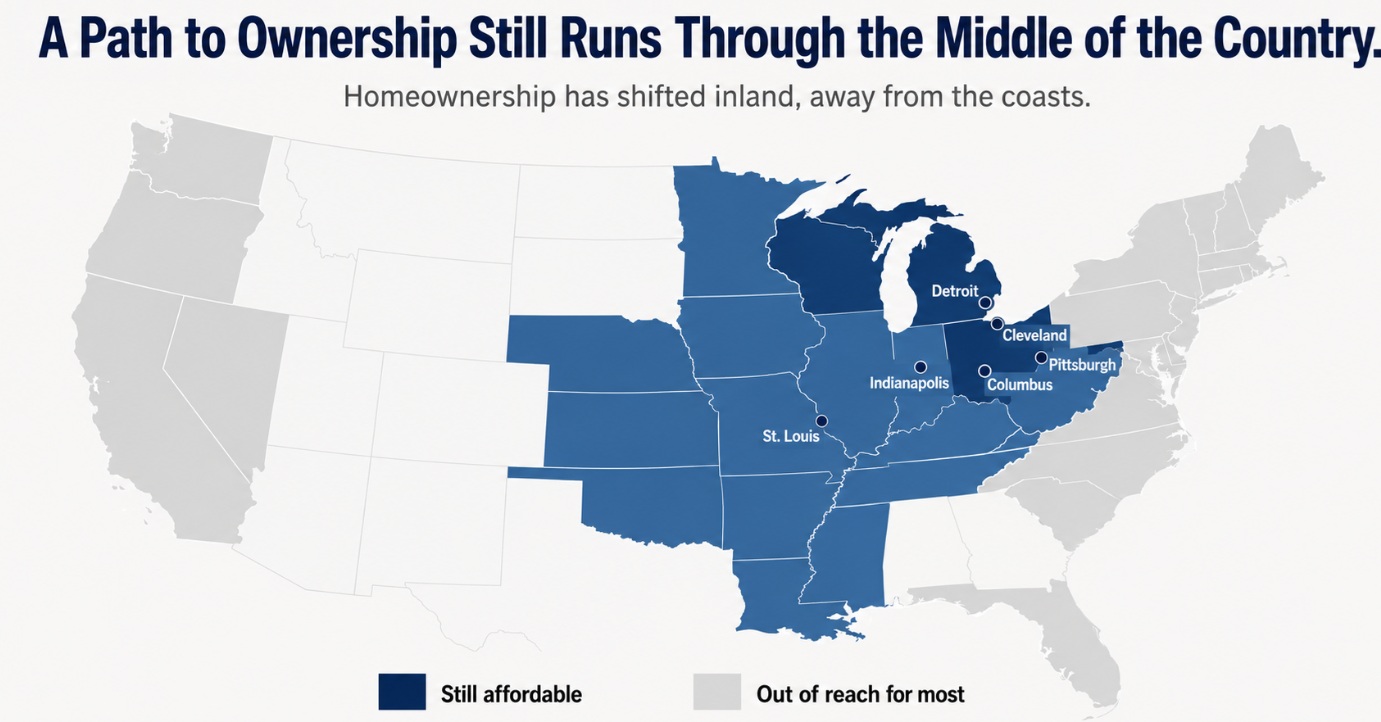
Homeownership has grown harder to reach on the coasts, while much of the Midwest, the Rust Belt, and parts of the South remain affordable for first-time buyers.
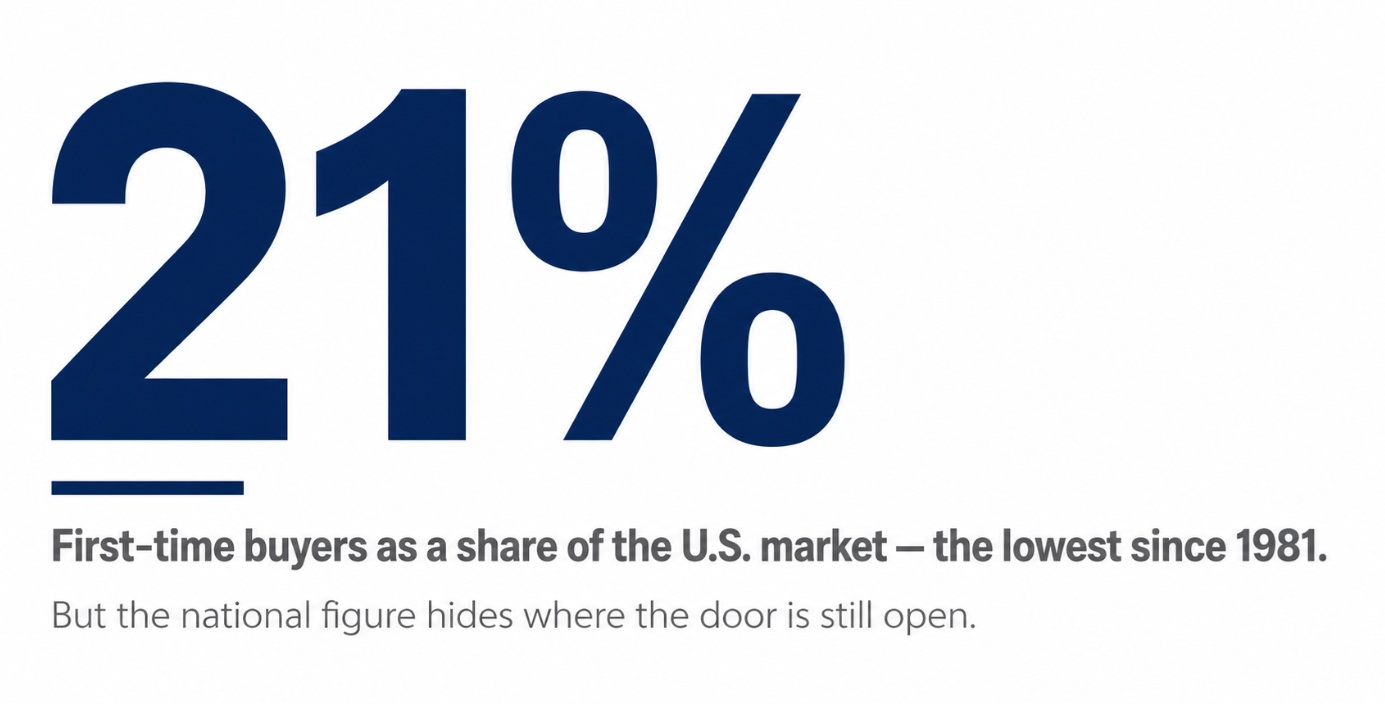
First-time buyers fell to 21 percent of the U.S. market, the lowest share since the National Association of Realtors began tracking the figure in 1981.
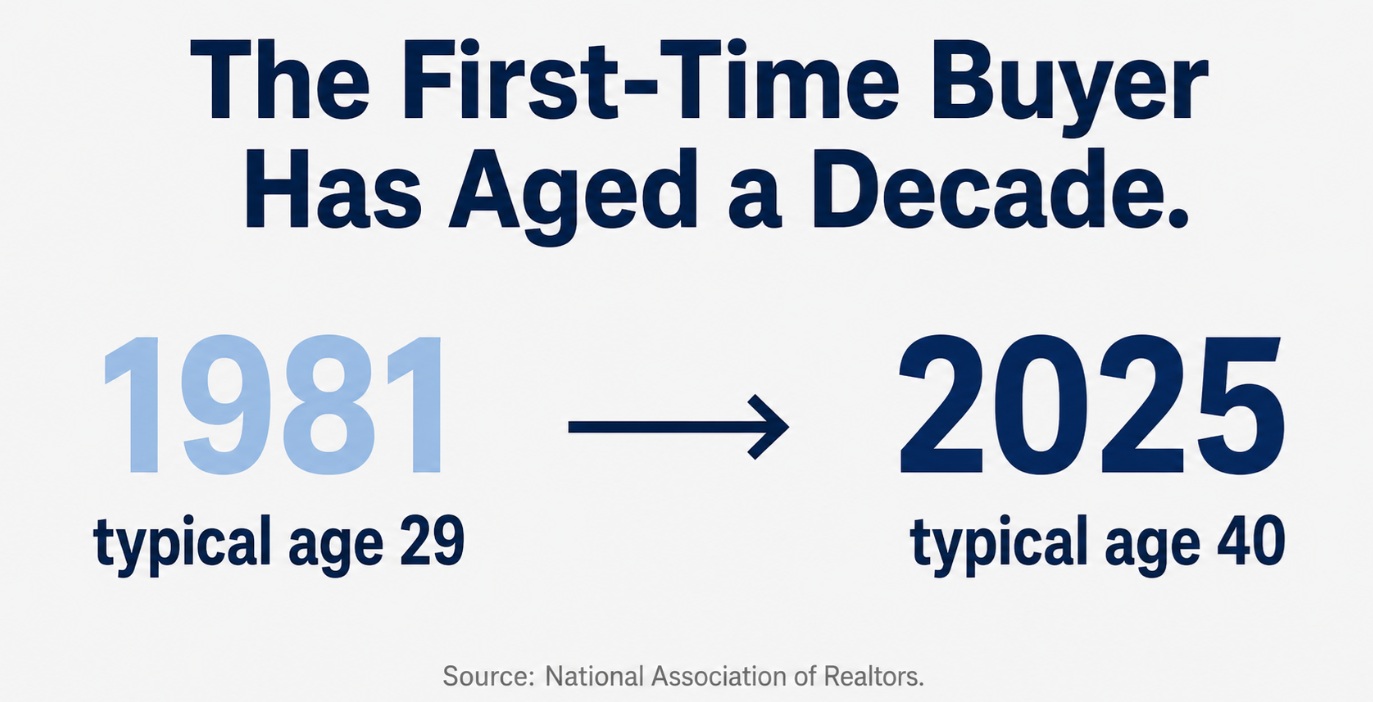
The typical first-time U.S. homebuyer has aged from 29 in 1981 to a record 40 in 2025, according to the National Association of Realtors.
First-time buyers fell to 21% of the market, the lowest since 1981, yet Pittsburgh and a band of Midwest and Southern metros remain within reach for new buyers.
The squeeze is real where it exists. The National Association of Realtors 2025 Profile of Home Buyers and Sellers covers transactions between July 2024 and June 2025. It shows the first-time buyer share nearly cut in half from the roughly 40% norm that prevailed before the Great Recession. NAR puts the typical first-time buyer at 40 years old, an all-time high, compared with 29 in 1981. That national median is pulled upward by buyers in the most expensive markets, where many wait years longer to afford a first home. The picture looks different in affordable regions. A separate analysis of Census Bureau data found seven of the ten metros with the highest homeownership rates under age 35 are in the Midwest. There, younger buyers reach ownership far earlier. The pressures of high prices and thin inventory fall hardest on coastal and Western metros, and far more lightly on affordable ones.
Where affordability holds, the door is still open. Much of that affordable territory sits in the Midwest, the Rust Belt, and parts of the South. Some of these metros pair low prices with healthy local economies. Columbus and Cincinnati in Ohio, Indianapolis, Grand Rapids, Des Moines, and Omaha all combine entry-level prices with steady job growth. The gap with expensive markets is stark. Realtor.com's 2025 Affordability Report found that a median-income household could afford the typical home in only three of the 50 largest metros: Pittsburgh, Detroit, and St. Louis. In Pittsburgh, a household earning about 73,000 dollars would spend roughly 27% of its income on the median home near 250,000 dollars, just under the standard affordability threshold. Nationally, by contrast, the same report found a typical household would need to spend about 45% of its income to afford a median-priced home. The American Enterprise Institute, which tracks first-time-buyer affordability across the 60 largest metros, ranked Pittsburgh the most affordable of that group in 2024, with an affordability ratio of 2.7 against 4.8 in San Jose, the least affordable.
The buyer who does purchase today is older across the board, with record median ages of 59 for all buyers, 40 for first-time buyers, and 62 for repeat buyers. In 1981, the median first-time buyer was 29 and the median repeat buyer was 36. The share of buyers with children under 18 has fallen to a record low of 24%, down from 58% in 1985. Buyers are reaching ownership later, after more years of saving, and increasingly with help. NAR found that financial assets such as 401(k) accounts surpassed family gifts as a first-time down payment source for the first time, and NAR reported that inheritance use among first-time buyers reached an all-time high. The path to a first home has lengthened, but in affordable markets it remains a path that can be walked.
Supply is part of why the affordable markets matter so much. The typical seller in 2025 had owned their home for a median of 11 years before selling, an all-time high, and the share of homes sold without an agent fell to 5%, the lowest on record. Fewer listings and longer ownership keep inventory tight, which makes metros with attainable entry-level stock all the more valuable to new buyers. Cash plays a role too. All-cash purchases reached 26% of transactions over the past year, an all-time high in NAR's survey, as repeat buyers with accumulated equity stayed active. That figure reflects primary-residence buyers only and excludes investors and vacation homes, which makes a cash share above one in four owner-occupant buyers especially striking. In more affordable metros, financed first-time buyers may still compete better than they do in the highest-cost markets.
The broader picture is more hopeful than the national headline suggests. Homeownership has grown harder to reach in the country's most expensive corners. Across a wide band of the Midwest, the Northeast, and the South, though, the first home remains within reach for buyers willing to look beyond the priciest markets. The 21% figure describes a national average, not a national verdict. Where prices never detached from local incomes, the path to ownership is narrower than it once was but still open. The opportunity did not disappear. It moved.
That same affordability keeps the resale market active in metros where buying still pencils out. In those markets, owners of dated or inherited homes have options beyond a traditional listing. Cash home buyers can close quickly and purchase properties as is, and services that advertise that we buy houses in Pittsburgh and similar affordable metros give sellers a faster path to a sale. For owners weighing that route, Buys Houses works directly with sellers across Western Pennsylvania.
About Buys Houses: Buys Houses buys homes for cash across Western Pennsylvania, including Allegheny, Washington, Beaver, and Westmoreland Counties, working with owners of inherited, distressed, and as-is properties who want a direct sale.
Carlo Finotti
Buys Houses
+1 412-561-9833
media@BuysHouses.co
Visit us on social media:
LinkedIn
Instagram
Facebook
YouTube
Other
Legal Disclaimer:
EIN Presswire provides this news content "as is" without warranty of any kind. We do not accept any responsibility or liability for the accuracy, content, images, videos, licenses, completeness, legality, or reliability of the information contained in this article. If you have any complaints or copyright issues related to this article, kindly contact the author above.
